Preparing for Adventure Expeditions: A Comprehensive Guide
Embarking on an adventure expedition requires more than just a strong will and a love for exploration. It demands meticulous preparation across multiple areas—from physical training and mental readiness to nutritional planning and logistics. Whether you’re aiming for the dizzying heights of high-altitude travel or the endurance-testing demands of multi-activity adventures, this guide is your foundational blueprint. Let’s dive into the essential elements of preparing for your next adventure, integrating key practices in training, psychology, nutrition, and beyond.
Table of Contents
What is an Adventure Expedition?
An adventure expedition is a challenging journey or quest, typically undertaken in remote or extreme environments, that involves exploration, discovery, and physical endurance. Unlike a standard holiday or tour, an adventure expedition often requires meticulous planning, specialised skills, and a high level of physical and mental preparation.
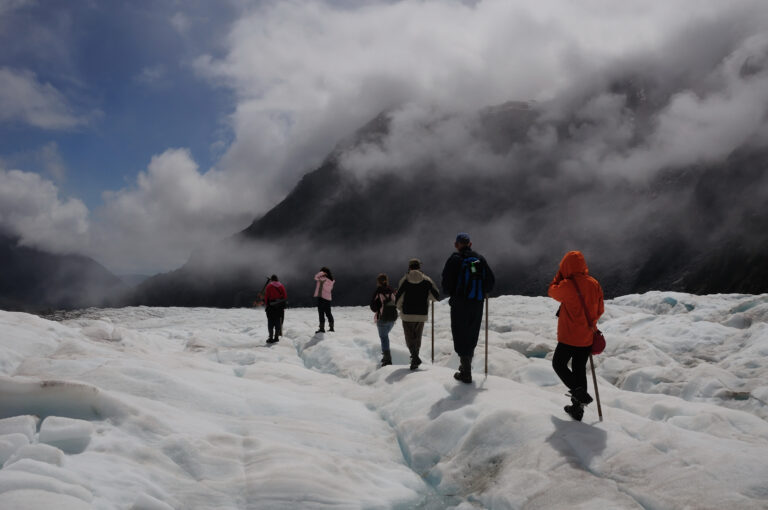
These expeditions may involve activities such as mountaineering, kayaking, trekking, ice climbing, or cycling in environments that test one’s limits, like high-altitude mountains, dense jungles, vast deserts, or polar regions. The primary focus is not just on reaching a destination but on overcoming obstacles, embracing the unknown, and experiencing the thrill of pushing oneself beyond comfort zones.
Adventure Expedition Training: Building Your Physical Foundation
Strength and conditioning are crucial when preparing for any expedition, and this must be approached differently from simply heading to the gym and working out until you feel tired. A tailored training programme should go beyond merely repeating the movements used in your chosen activity, whether you’re spending weeks mountaineering or days canoeing down remote rivers. It’s essential to address the specific demands of your pursuits, whether it’s climbing, kayaking, or mountain biking. Incorporating a mix of cardiovascular endurance, strength training, and flexibility work is vital. You may also need the ability to generate power in short bursts or recover quickly from exertion.
What makes adventure sports unique isn’t just their extreme nature; it’s the unpredictable conditions encountered in the wild. Changes in temperature, humidity, visibility, rain, wind, and even pollution can affect your experience, effort, energy expenditure, and recovery. For those venturing into high-altitude environments, adapting your body to perform under reduced oxygen levels is crucial. Exercises that simulate the conditions you’ll face, such as stair climbing with a weighted pack, can be particularly effective. Effective preparation, however, goes far beyond this seemingly specific approach.
Training on smaller expeditions or mini-adventures is key to building the physical resilience needed for larger challenges. In the past, planning these adventures required considerable legwork—finding local guides, seeking recommendations, and preparing for the unexpected. Today, many companies handle the logistics, employ local experts, and offer more comfortable options, making adventure travel more accessible. Yet, this accessibility has created a “zero to hero” mentality, where some attempt the toughest challenges in extreme environments without adequate preparation. The physical demands of these expeditions are immense—extreme temperatures, high altitudes, and unpredictable conditions test even the most seasoned adventurers. Those who are unprepared often struggle to keep up, leading to exhaustion, injuries, or even abandoning the challenge altogether. This not only impacts their own experience but can also put a strain on the group, potentially slowing the entire team and compromising safety and enjoyment.
Psychological Preparation for Challenging Expeditions
The mental aspect of preparing for an expedition is as critical as the physical, yet it is often underestimated. The ability to continue through physical discomfort or manage fear when situations become unpredictable is crucial for success. The resilience to push through tough conditions, remain calm under pressure, and endure long days is developed through targeted psychological training.
Techniques such as visualisation, breathwork, mindfulness, and stress management exercises play a significant role in preparing your mind for the challenges ahead. Practising on mini-expeditions or smaller-scale adventures is also essential. In the past, guides would rigorously vet participants to ensure they were ready for the task. As a woman, I remember being underestimated and thoroughly questioned before being accepted—just 15 years ago. Today, commercialisation allows anyone to sign up for these adventures, but is it worth risking the experience?
For many, the challenge is about earning a badge of honour rather than truly understanding what these environments demand. Without proper preparation, participants may find themselves overwhelmed by fear, anxiety, or frustration, which can overshadow any enjoyment they might have otherwise felt. This psychological strain diminishes not only their personal experience but can also affect the morale of the group. Ultimately, preparation is not just about completing the challenge or outperforming others; it’s about enhancing the overall experience, minimising discomfort, and genuinely appreciating the journey rather than being tainted by pain or distress.
Nutrition and Recovery Strategies for Adventure Sports
Fueling your body correctly and ensuring adequate recovery are pivotal elements of expedition training. A balanced diet rich in carbohydrates, proteins, and healthy fats supports energy levels and muscle repair, while proper hydration strategies are essential for maintaining performance and cognitive function. Integrating recovery practices, such as sufficient sleep, active recovery days, and sports massage, can significantly enhance your body’s ability to recover and adapt to increased physical demands.
Multi-Activity Adventure Preparation
Many adventures involve a combination of activities, such as kayaking and hiking or windsurfing and mountain biking. Preparing for these multi-faceted expeditions requires a versatile training approach that builds endurance, strength, and skills across various sports.
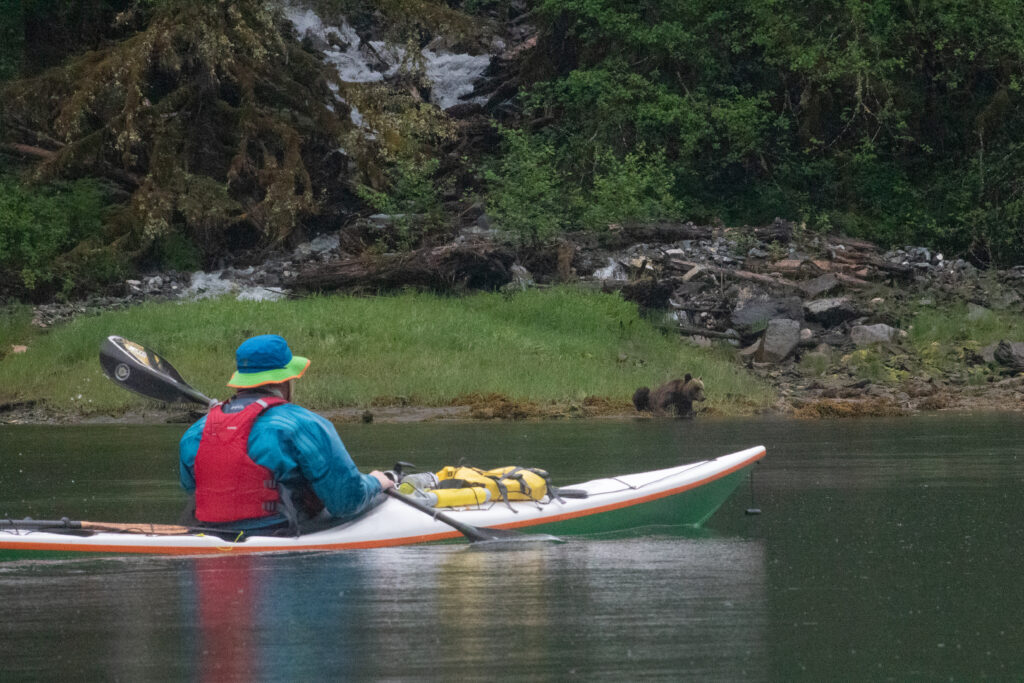
My recent trips to Croatia, Finland, and Norway were multi-sport adventures combining climbing, watersports, hiking, and kayaking. These environments lend themselves to exploration and are often the most exciting way to see more of an area.
Our Favourite Adventure Expeditions and Multi-Day Trips
Adventure expeditions come in many forms, from kayaking along dramatic coastlines to trekking through remote mountain passes. Whether you’re seeking a multi-day trip on the water, an alpine trek, or a combination of sports in rugged landscapes, here are some favourite expeditions and multi-day adventures that offer a mix of challenge, thrill, and unforgettable experiences:
- Kayaking the Inside Passage, Alaska and British Columbia
- Explore the stunning coastline between Alaska and British Columbia on a multi-day sea kayaking expedition through the Inside Passage. Paddle past towering glaciers, remote islands, and dense forests while spotting wildlife like whales, seals, and eagles. This route offers both solitude and awe-inspiring natural beauty, ideal for those looking to combine endurance with a deep connection to the wilderness.
- Kayaking the Norwegian Fjords
- The dramatic fjords of Norway provide an epic backdrop for a multi-day kayaking adventure. Glide through crystal-clear waters framed by steep cliffs, waterfalls, and snow-capped mountains. This trip offers a blend of serene paddling and cultural exploration, with opportunities to visit charming villages along the way. The iconic Nærøyfjord or Geirangerfjord are top picks for kayaking enthusiasts.
- Trekking the Selvaggio Blu, Sardinia
- Known as one of the toughest treks in Europe, the Selvaggio Blu (“Wild Blue”) is a challenging multi-day hike along the rugged coastline of Sardinia. Combining rock scrambling, climbing, and abseiling, this expedition takes you through some of the most breathtaking and remote landscapes in the Mediterranean. It’s perfect for experienced hikers looking for a unique and demanding adventure.
- Hiking the Annapurna Circuit, Nepal
- The Annapurna Circuit is a classic high-altitude trekking route that circles Nepal’s Annapurna massif. This multi-day trek takes you through diverse landscapes, from lush subtropical forests to high alpine terrain. You’ll cross the Thorong La Pass at 5,416 metres, one of the highest trekking passes in the world. This expedition is ideal for those seeking a high-altitude challenge with cultural immersion.
- Hiking in the Monte Rosa Valley, Italy – Loop to the Mantova Hut
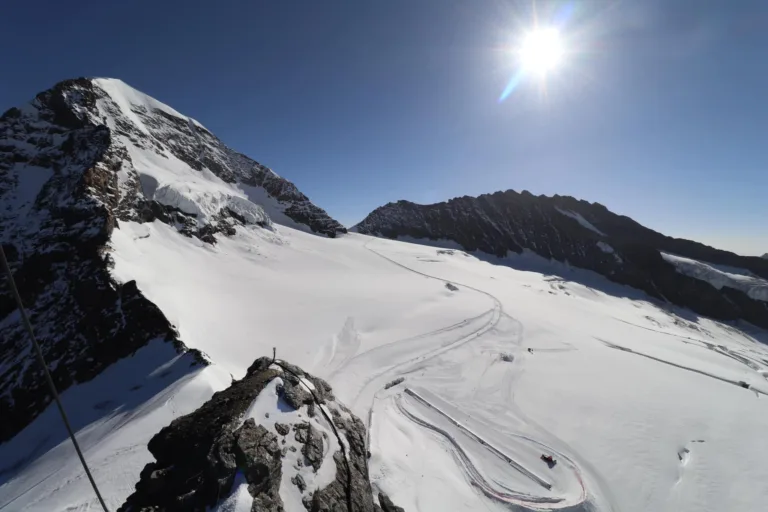
- For a stunning alpine adventure, consider hiking in Italy’s Monte Rosa Valley. A popular route is the loop up to the Mantova Hut, which offers a mix of breathtaking scenery, glacier trekking, and high-altitude hiking. This trip is perfect for those looking to experience the beauty of the Alps while enjoying a multi-day trek that includes overnight stays in mountain huts.
- Multi-Sport Expeditions in the Arctic Circle
- Combine multiple adventure sports in the Arctic Circle with a multi-day expedition that includes ice climbing, snowshoeing, and hiking. Traverse remote icy landscapes, climb frozen waterfalls, and snowshoe across snowy plateaus while experiencing the beauty and harshness of the Arctic. Trips like these often involve camping in extreme conditions and require both physical and mental toughness, but they reward you with stunning natural beauty and a sense of accomplishment.
Case Study: Altitude Training and Preparation for Kilimanjaro Climbers
I recently supported Adam and Neil with their practical preparation and altitude training (via hypoxia) for Mount Kilimanjaro. This comprehensive approach encompassed altitude acclimatisation, strength and endurance training, and guidance. I began by measuring their baseline strength, altitude tolerance, and basal metabolic rate. We also had ongoing discussions about preparing for conditions in the mountains, necessary equipment, and more. Both of their successful summits underscore the value of a well-rounded preparation strategy, combining physical fitness, mental fortitude, and nutritional planning.
While not specifically expedition-based, in April, I supported the GB Climbing youth team during their national training camp in Edinburgh, focusing on strength and conditioning and performance lifestyle. I was invited to Innsbruck this summer to deliver a longer camp, but an injury prevented my attendance. I also provided similar support to Paddle UK for their Canoe Slalom athletes at a training camp in Foix, in the French Pyrenees, in May.
Conclusion
Preparing for an adventure expedition is a journey in itself, involving a blend of physical training, mental preparation, nutritional planning, and logistical coordination. By adopting a comprehensive and individualised approach, you set the stage for a successful and enriching adventure. Whether you’re scaling mountains, navigating rivers, or cycling through remote landscapes, the key to an unforgettable expedition lies in thorough, well-rounded preparation.