
Whether you’re paddleboarding on a lake, kayaking along the coast, sailing, wild swimming or simply spending time by the water, a few simple checks before you leave can make your adventure safer, more enjoyable and far less stressful. These are the checks I tend to do before every trip, both professionally and personally.
Table of Contents
Why This Matters
Having grown up on the Fylde Coast, I’ve spent most of my life around the water. From walking estuaries and beaches almost daily to living in the Lake District, delivering paddleboarding sessions on lakes such as Windermere and Ullswater, and travelling to explore waterways around the world, I’ve experienced just how different every environment can be.
Alongside that practical experience, I work as an outdoor instructor, lecture on an Outdoor Adventure degree and research outdoor recreation, risk and adventure planning. Whether I’m teaching students, leading outdoor sessions or planning my own adventures, one lesson always stands out:
No two bodies of water behave the same.
It’s easy to assume that because you’ve swum in the Mediterranean, kayaked through the Norwegian fjords or paddle boarded on a calm lake, the UK’s coastline and inland waterways will behave in the same way.
Often, they don’t.
Every summer we hear about visitors being caught out by fast-moving tides, stranded on sandbanks or entering rivers that remain cold despite a heatwave. Most of these incidents aren’t caused by people deliberately taking risks. More often, they’re the result of underestimating the conditions.
Start with the basics
These simple steps are often overlooked, but they’re some of the easiest ways to enjoy a better day outdoors.
- Tell someone where you’re going and let them know if your plans change.
- Stay away from cliff edges, unstable banks and overhanging ridges.
- Drink plenty of water. Dehydration catches more people out than you’d think, particularly on hot days.
- Apply sunscreen, even when it’s cloudy. Sunlight reflects off the water, increasing UV exposure.
- Carry a dry bag with a fully charged mobile phone.
- Register your phone for emergency text service by texting 999.
- If you or someone else gets into difficulty, call 999. At the coast, ask for the Coastguard. Inland, ask for Fire and Rescue or Mountain Rescue (particularly when in national parks).
- Be willing to adapt or change your plans to a second option – One of the most important skills in adventure planning is knowing when to change your plans. If the weather, water conditions or forecast don’t look right, there’s no shame in choosing another location or coming back another day. The water will still be there tomorrow.
Check the Weather and Wind

The weather isn’t just about whether it’s sunny.
Wind direction and strength can completely change how enjoyable your day is.
If you’re paddling or swimming with the wind behind you, remember you’ll probably be returning against it when you’re already tired.
Whenever possible, I plan routes that begin into the wind, making the return journey a little easier. Strong offshore winds can also carry paddleboards, kayaks and other craft away from shore surprisingly quickly.
Before leaving home, I usually check:
- The Met Office for the overall forecast.
- Windguru for coastal wind forecasts.
- Windy app for a detailed view of local wind conditions (inland)
Check the Water Quality
One of the biggest misconceptions is that clear water is clean water or the best indicator for water quality. Slightly murky water isn’t automatically something that is unsafe either. Most harmful bacteria can’t be seen with the naked eye.
The good news is, information is readily available to the public.
The Environment Agency monitors designated bathing waters across England, testing for bacteria that indicate possible contamination from sources such as livestock, wildlife, sewage and surface water runoff.
Before heading into the water, it’s worth checking:
- The designated bathing water information on the Government website (coastal designated bathing waters.
- For Rivers you can check the River Trusts map
- For all major waterways (lakes, rivers and coastline) you can use Surfers Against Sewage website (they also have an app you can download).
- Any pollution warnings.
- Whether there’s been heavy rainfall during the previous 24–48 hours.
- Whether advice against bathing is displayed (check online forums or pages before going).
Heavy rainfall is one of the biggest contributors to temporary reductions in water quality because it washes bacteria from roads, farmland and surrounding land into rivers and coastal waters.
Understand the Tides
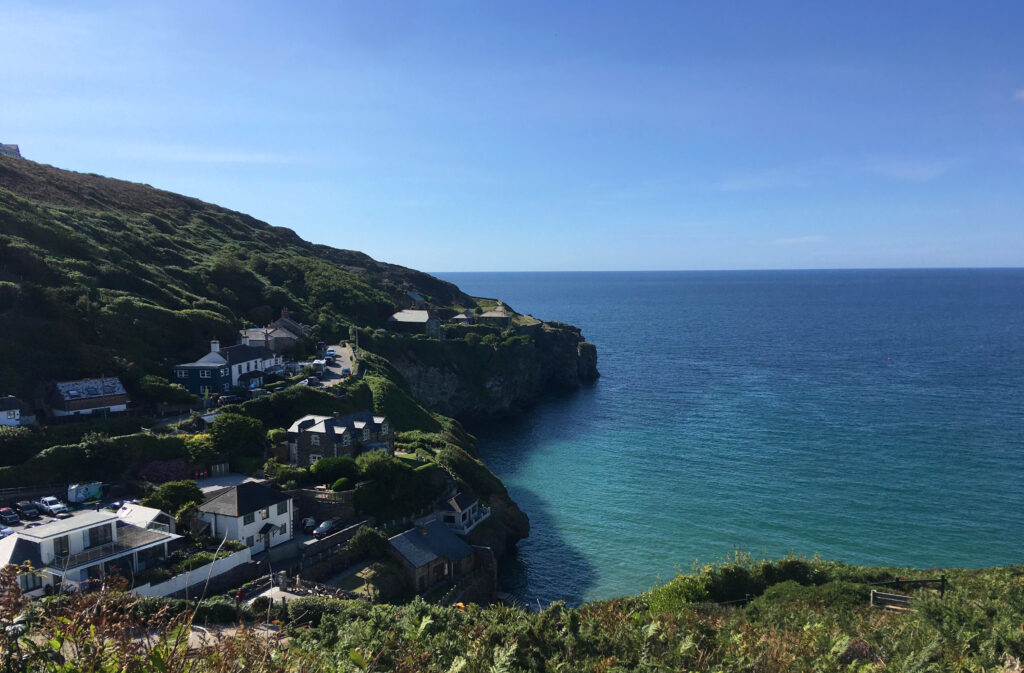
Growing up on the Fylde Coast, I’ve seen first-hand how quickly tides can catch people out. My husband was also a Beach lifeguard who trained in Cornwall and worked for our local council with the coastguards. Hearing and being around when incidents happen, certainly makes you take note.
One of the biggest mistakes visitors make is seeing the sea hundreds of metres away and assuming they have plenty of time.
In reality, incoming tides often fill channels first, cutting off routes back to shore long before the beach itself disappears. Sandbanks appear and leave people on an island with little time to get attention for help. Similarly estuaries can also be particularly deceptive because the water doesn’t always return evenly.
If you’re unfamiliar with the coastal area:
- Check tide times before setting off (easiest resource to use is the met office forecast with tidal times)
- Avoid walking long distances onto sandbanks unless you know the area well.
- Leave yourself plenty of time to return.
Don’t Underestimate Cold Water
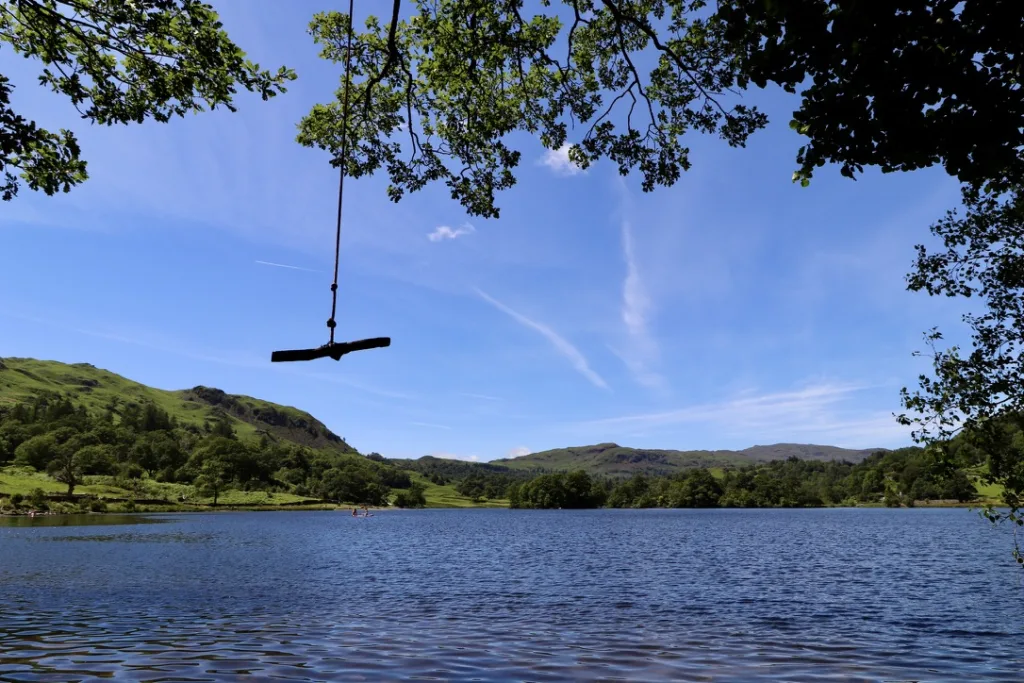
This is one of the biggest misconceptions I come across when teaching outdoor activities and where an unfortunate number of accidents happen each year in the UK. People often assume that if the air temperature is approaching 30°C, the water will feel warm too.
In reality, many UK rivers are fed by springs or upland catchments, meaning they remain surprisingly cold throughout the year.
Entering cold water suddenly can trigger cold water shock, causing an involuntary gasp reflex and making it difficult to control your breathing.
Before you enter the river:
- Take your time entering the water, particularly if you’re unfamiliar with the location.
- Ideally don’t go alone, and one person enters at a time
- Stay within a reasonable distance so you can exit quickly should your temperature start to drop.
The UK Isn’t the Mediterranean
If you’ve spent time enjoying water sports abroad, it’s easy to assume the UK behaves in the same way. It doesn’t.
Sea temperatures are generally lower, tides are much larger, weather changes more quickly and wind has a greater influence on conditions.
Although UK summers are becoming warmer, our rivers, lakes and coastline often remain much colder than visitors expect.
You can check wild open water for water temperatures to give you an idea of what to expect. I would suggest doing this for a couple of days before, but if the weather is due to change, the water temperatures may also follow suit.
Know Your Own Skills and Limits
One thing I regularly encourage others to think about is whether the conditions match their experience not just whether they can do the activity.
Confidence comes from gradually building experience, not skipping straight to more challenging conditions.
You may have paddled on a calm lake, but have you experienced a fast-flowing river or open sea conditions? Likewise, you might feel confident swimming in the sea, where the salt water provides extra buoyancy, but would you feel as comfortable in a lake that’s below 5°C, even though the air temperature is pushing into the 30s? Every environment presents different challenges, and it’s important to match the conditions to your experience.
Know Your Location
Before launching or getting into the water, take a moment to understand where you are.
Ask yourself:
- Where will I get in?
- Where will I get out?
- Is there a safe alternative exit?
- What happens if conditions change?
- Are there boats using this area?
- Could changing tides affect my route?
This is something I try to weigh up, because good decisions are usually made before you get on the water, not once you’re already out there.
Plan for Afterwards Too
It’s easy to focus on getting onto the water, but don’t forget to think about what happens once you get out.
Even on warm summer days, it’s surprising how quickly you can cool down after spending time in the water, particularly if there’s any wind.
Before I head out, I always make sure I have:
- A warm changing robe or plenty of warm, dry layers.
- Clothing that’s suitable for both the activity and the conditions.
- A towel and a complete change of clothes.
- Water to rehydrate.
- A quick snack to help replenish my energy. I usually pack something that’s easy to digest and provides a quick source of carbohydrates, especially after longer paddles or more physically demanding sessions.
It only takes a few extra minutes to pack these items, but they can make the journey home much more comfortable and help you recover more quickly after your adventure.
Adventure Starts Before You Leave Home
One thing I’ve learned through years of working in the outdoors and enjoying water sports around the world is that the best adventures are one’s where you reduce the unnecessary risks.
The more you understand the conditions, the more confident you’ll become, and the more you’ll enjoy every adventure.
Spend five minutes planning before you leave home, and you’re more likely to spend the rest of the day doing what you came for: having fun and enjoying the water.


